
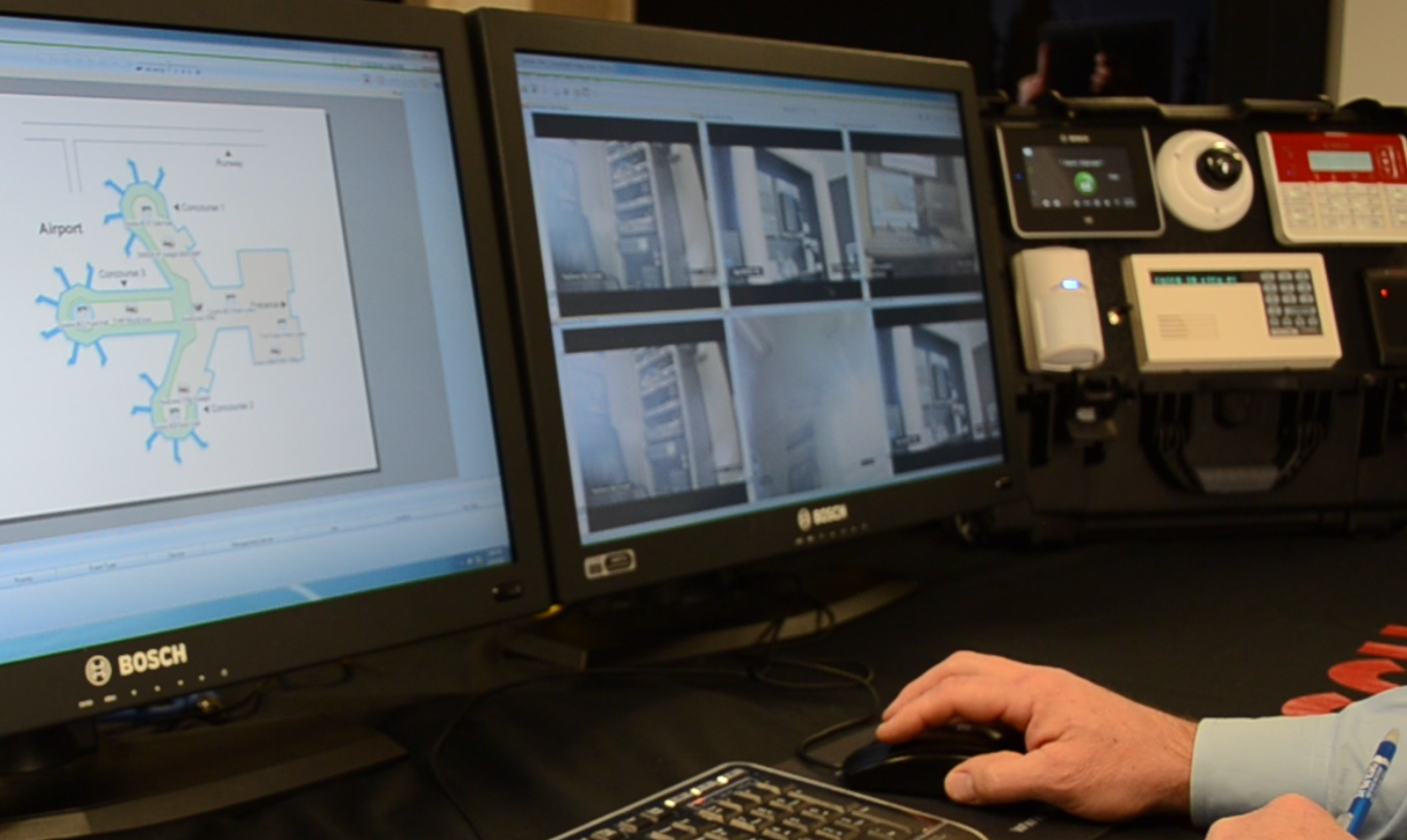
The problem: two or more systems, multiple workflows, & one frustrated system user
For years, electronic security projects often landed in “silos.” An access control system. An intrusion panel. Video recording and monitoring. Each system could be well-designed on its own—yet the end user still ended up juggling multiple interfaces, logins, training paths, and response procedures.
That’s not just inconvenient. It can slow down response time, increase operator error, and make the overall security program harder to run day-to-day.
The good news: that “three separate systems” approach is quickly becoming the exception—not the norm.
What “integration” really means today...
In this Radionix discussion, the team framed an important truth: the word “integration” is broad, and it’s easy to assume it means more than it actually does.
Historically, “integration” often meant basic contact closures—wiring inputs/outputs to make one system trigger another. That still works and still has a place. But today’s expectation is different:
- Software-driven integrations
- API-based data sharing
- Unified workflows
- A single operator experience (“one pane of glass”)
In other words, modern integration is less about physical I/O and more about logic, events, permissions, and user interface consolidation.
The goal: one interface to operate multiple systems
A major operational win is reducing complexity for the people who actually run the system every day.
With the right integrations in place, an operator can manage multiple technologies from one primary environment—such as:
- Intrusion alarms appearing inside the same interface used for access control and video
- Video linked to alarm events for immediate verification
- Centralized event history and reporting across platforms
- Fewer screens, fewer clicks, fewer “swivel chair” moments
The discussion used the phrase “one pane of glass” repeatedly, and for good reason: it’s the simplest way to describe what end users are asking for.
Where Radionix fits: integrations that support the ecosystems customers already use
 Radionix isn’t trying to be the only platform in the stack. The point is to work inside the ecosystems that integrators, consultants, and end users are already standardizing on.
In the conversation, the team called out multiple environments where Radionix can participate as part of a larger unified security experience, including:
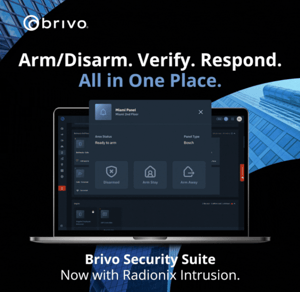
- Brivo (bringing intrusion into the same app experience used for access/video in many deployments)
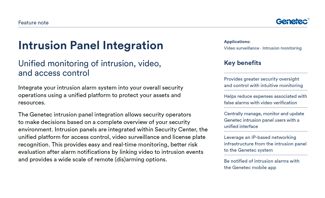
- Genetec (intrusion events and panel information supporting a unified security operations view)
 LenelS2
- Software House
- Avigilon
- Bosch BVMS / IQSIGHT ecosystems (panel content visibility, mapping, alarm-driven actions)
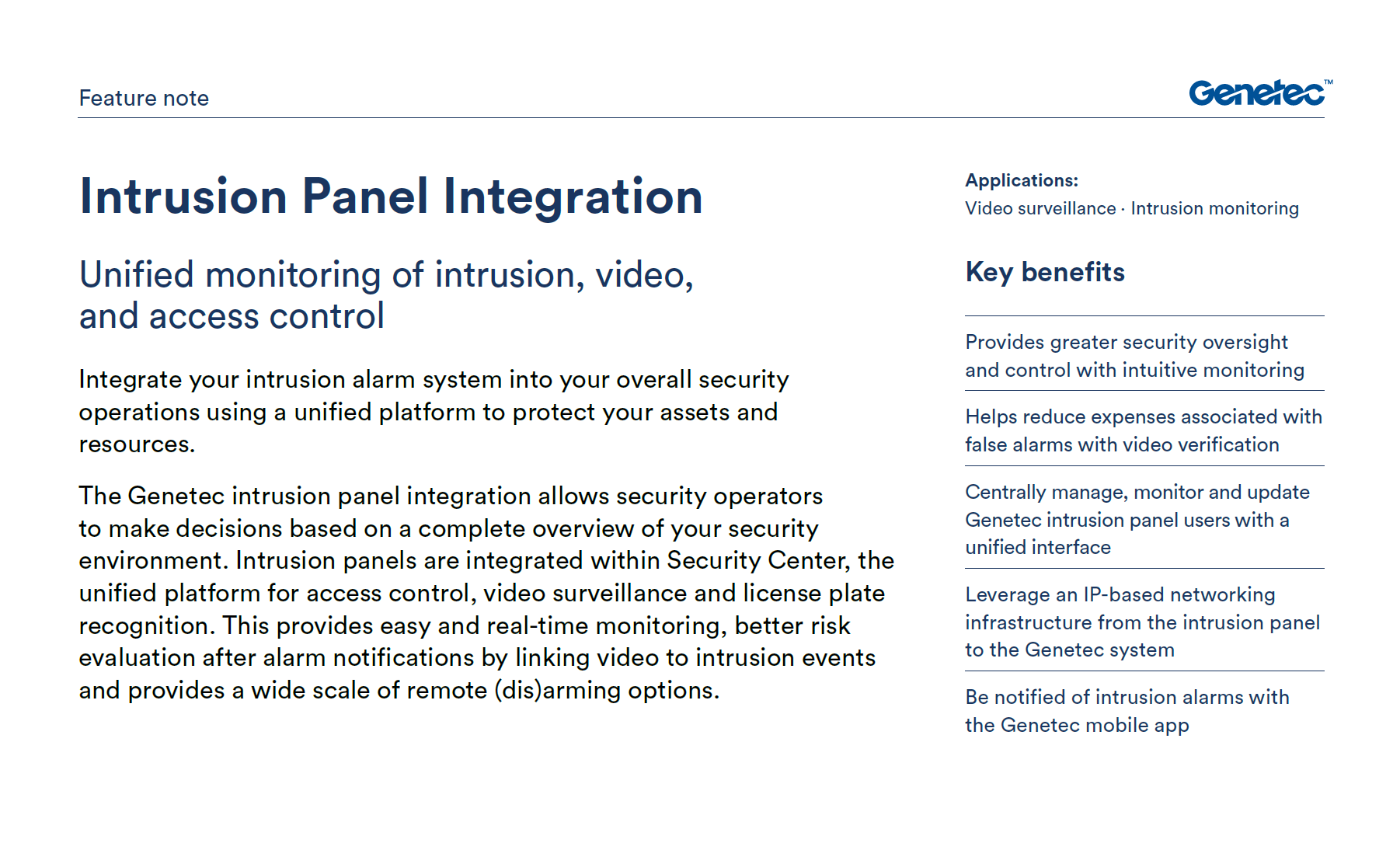
The practical takeaway: Radionix can be the intrusion layer that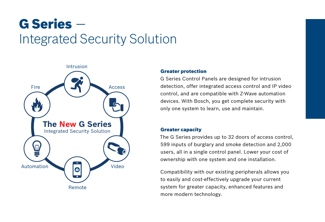 plugs into where the security operator already works.
Integration levels vary—so define “what you want it to do”
One of the most important points Brad made is that integrations are not all equal. Even when two systems “integrate,” the actual capabilities can range from basic to advanced.
A good way to frame it is to ask:
Are you trying to…
- Receive events only? (alarms forwarded into another platform)
- Do two-way control? (arm/disarm, acknowledge events, trigger outputs)
- Enable workflow automation? (events trigger actions, camera call-ups, maps, notifications)
- Centralize monitoring? (single operator UI and incident response flow)
The “right” answer depends on the operator workflow, staffing, site complexity, and how the end user wants to respond to events.
Why this matters more now: blending technologies isn’t going away
Security systems are getting smarter—but they’re also getting more interconnected.
As the team noted, technology blending will only increase, and “integration” will expand beyond classic security domains. Many platforms are already pulling in (or being asked to pull in) signals from other building and operational systems.
That’s why integration design requires both:
- A clear understanding of what the end user wants to accomplish
- A realistic view of what each platform supports today, plus what’s “on the horizon”
Design reality check: integration is a roadmap, not a checkbox
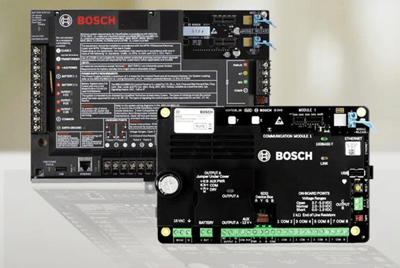 A key theme from the discussion: integration capability is constantly evolving.
As Radionix B- and G-Series platforms gain features and firmware enhancements, integrations often expand too—adding deeper control options, richer event handling, or improved operator workflows.
So instead of treating integration as a one-time checkbox, treat it like a lifecycle item:
- Confirm current capabilities
- Understand limitations
- Validate the operator workflow you’re trying to build
- Re-check as software versions change
How MidChes helps: resources, design support, and practical integration guidance
This is where MidChes can add immediate value—especially for integrators, consultants, and end users who want the benefits of integration without the trial-and-error.
We are a conduit for technical resources (system design, APIs, SDKs, documentation) and as an experienced partner who has seen integrations deployed in real projects over decades.
What that can look like in practice:
- Helping define the integration goal (events-only vs two-way control)
- Providing access to the right vendor resources and documentation
- Sharing real-world do’s/don’ts based on what’s working in the field
- Assisting with architecture conversations early—before equipment is ordered
- Keeping partners informed as new capabilities roll out
Customers don’t want to manage three separate systems anymore—and they don’t have to.
The modern expectation is a software-driven ecosystem where intrusion, access control, video, and other systems can be brought together into a more unified operator experience. Radionix integrations help support that model, and MidChes can help you navigate what’s possible, what’s practical, and what’s next. If you’re exploring Radionix integration into a broader security ecosystem—or you want to simplify operations with a “one pane of glass” approach—reach out to the MidChes team >>